
If Your Roof
Shallow Ponds Dry Within a Day or Two
Silicone tolerates water that lingers after storms once the outlets are clear and the deck below is dry.
Start WithSilicone Roof Coating
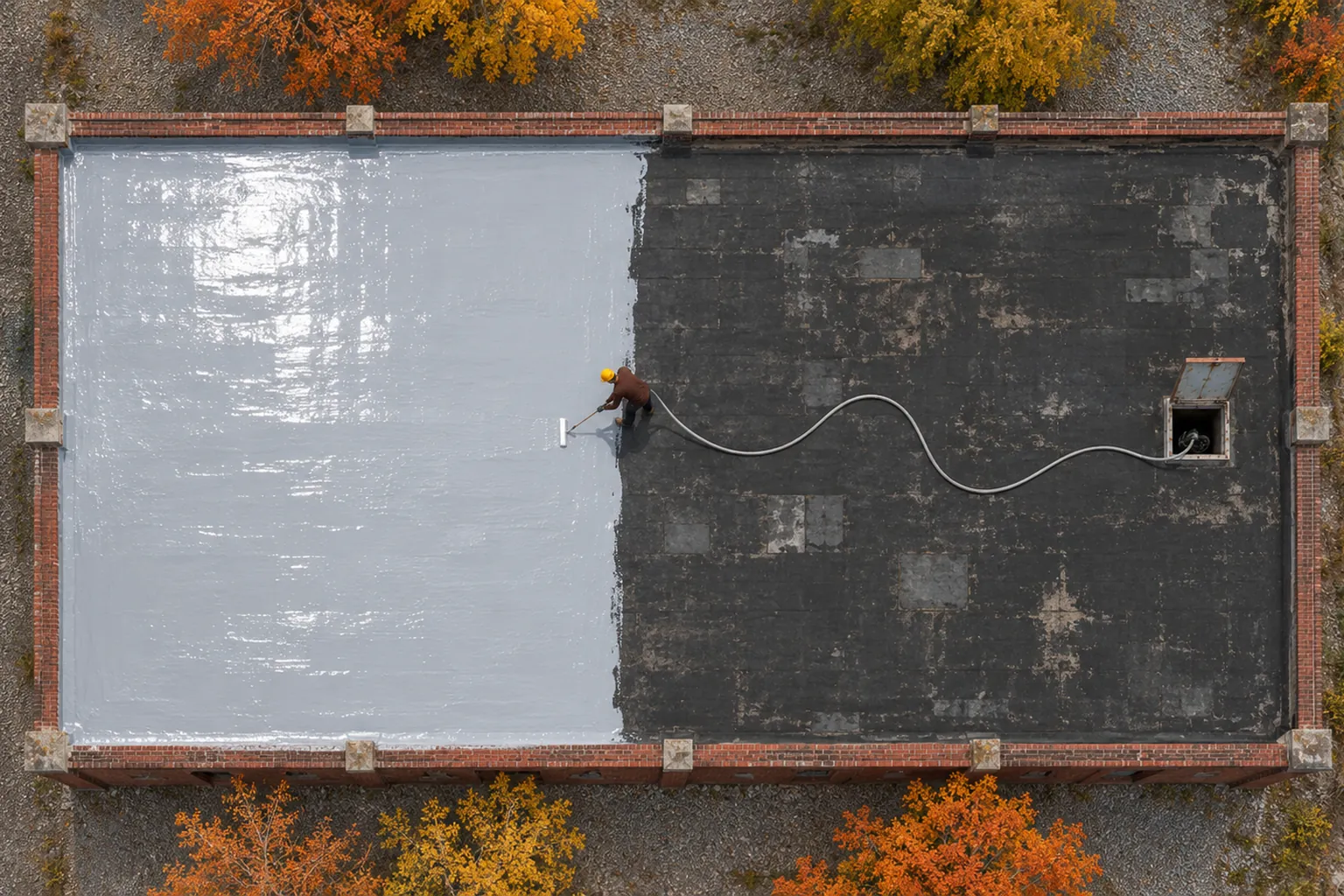
Easton silicone roof coating suits low-slope roofs where water lingers. We find out why it stays, fix what we can, then apply silicone.
Easton silicone roof coating works best on low-slope roofs with dry material underneath. Here is where each roof starts.
Silicone tolerates water that lingers after storms once the outlets are clear and the deck below is dry.
Debris and curb placement often trap that water, so the obstruction gets fixed first.
Steeper panels drain on their own, which opens the door to an acrylic system as well.
Wet material under a ponding area has to come out, and a large wet area points toward roof replacement.
Silicone handles moisture well, so the reason water stays is the first thing we chase.
Clogged outlets, sagging panels, or debris against a curb leave water in place long after rain stops.
We clear and repair outlets, check panel shape, and confirm the product rating covers the ponding we find.
Frost and dew settle on shaded sections even when the afternoon air feels warm enough.
Surface readings come from the roof itself, and work stops where shade or overnight cold would affect the bond.
Units set across the slope dam water on their uphill side.
Crickets, outlet changes, or local repairs move that water before coating covers the curb area.
Earlier coatings react differently with silicone and can let it peel.
Adhesion tests and the right primer decide whether the old layer stays or comes off.
Long-standing ponds soak the material beneath them.
Core samples or probes find wet areas, and those sections get replaced before silicone goes down.
These silicone builds cover most low-slope roofs we see around Easton.
| Option | Goes Over | Build | Plan Around |
|---|---|---|---|
| Single-coat high-solids silicone | Clean, primed low-slope roofs | One thick pass after detail work | Product limits on ponding |
| Two-coat silicone | Roofs with heavier wear or traffic | Base and top coats | Time between coats |
| Silicone with fabric at seams | Metal laps and older membrane seams | Reinforced details, then field coat | Extra detail labor |
| Granules over silicone | Paths to rooftop units | Broadcast into the wet top coat | Walk paths marked ahead |
What a low-slope roof looks like before silicone work and once it is done.
Send photos or call with what you see after rain. We will look at outlets, curbs, and the material under the low spots.
Drainage first, then cleaning, priming, and measured silicone.
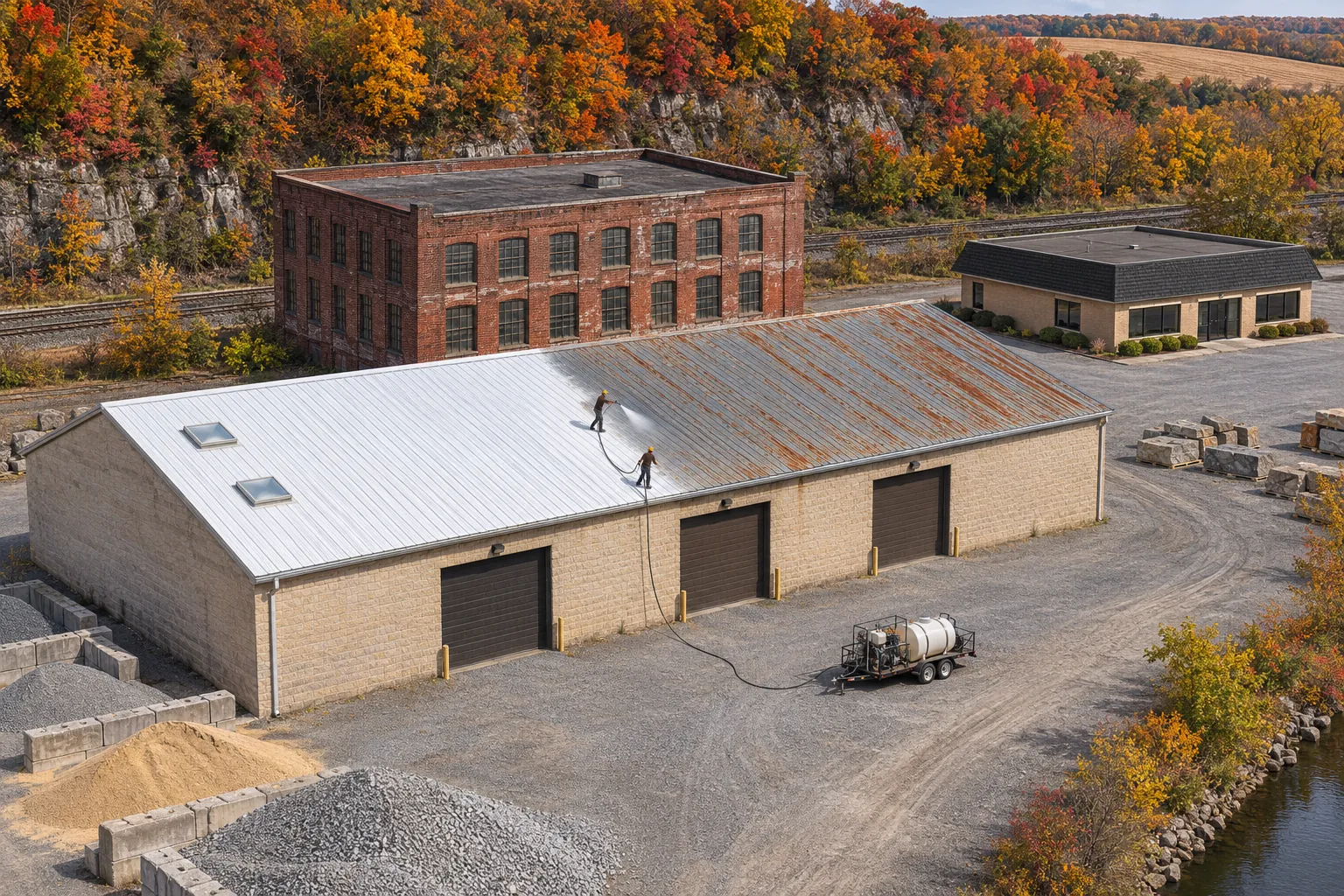
Low spots, outlets, and curbs get mapped, and suspect areas get probed for wet material. Old coatings are tested so we know what silicone will sit on.
Drains and scuppers are opened, debris is hauled off, and blocked paths beside equipment are corrected where the roof allows it.
A full wash removes dirt and chalk. Primer goes where the substrate or old coating calls for it.
Laps, curbs, and penetrations get silicone with fabric or sealant ahead of the field coat.
Silicone goes on in one or two passes within its temperature and dew limits. Thickness gets checked across the roof before we leave.
Silicone fits low slopes. These systems handle the other roofs on a property.
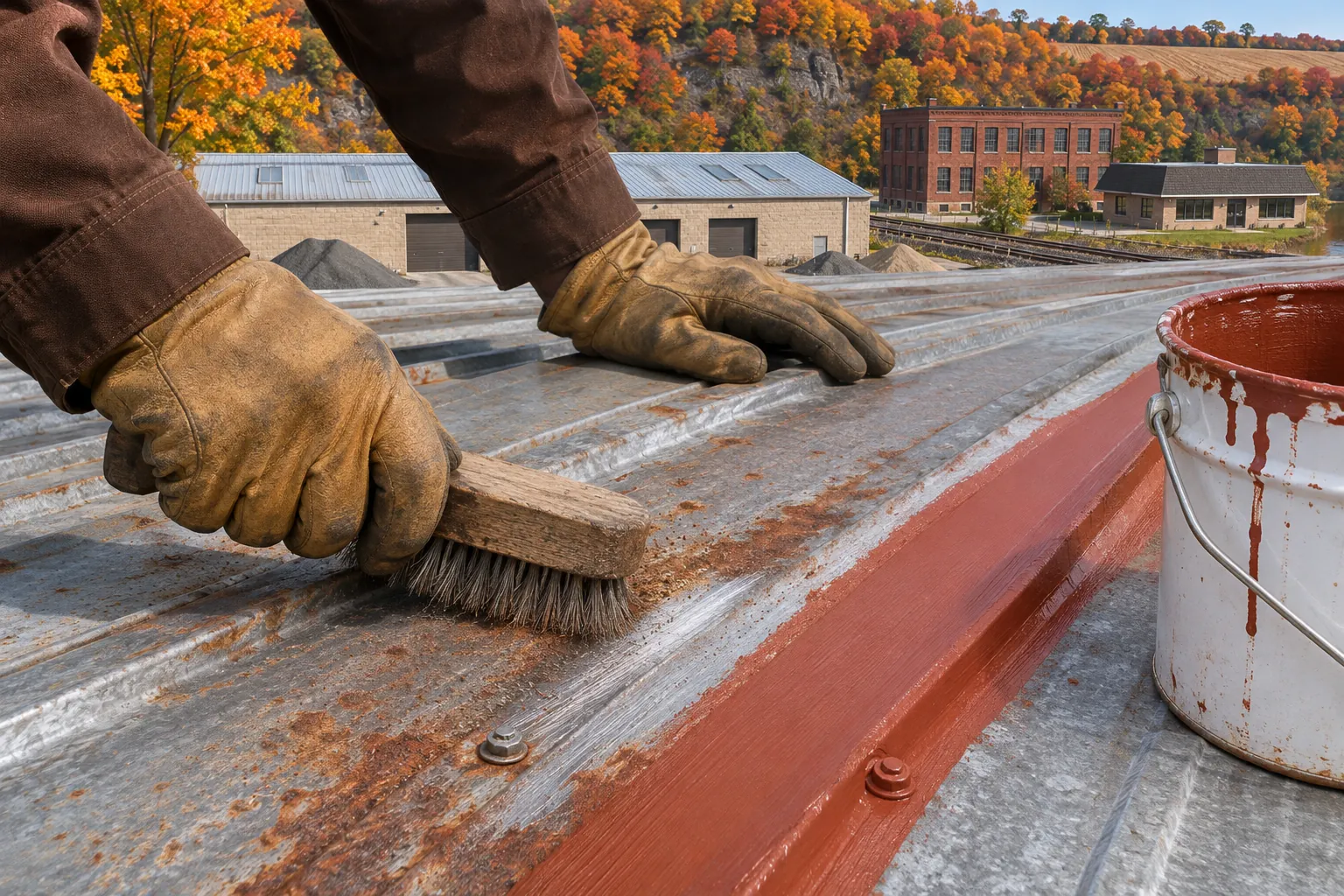
Screws sealed, laps stitched, rust primed, then two full coats.
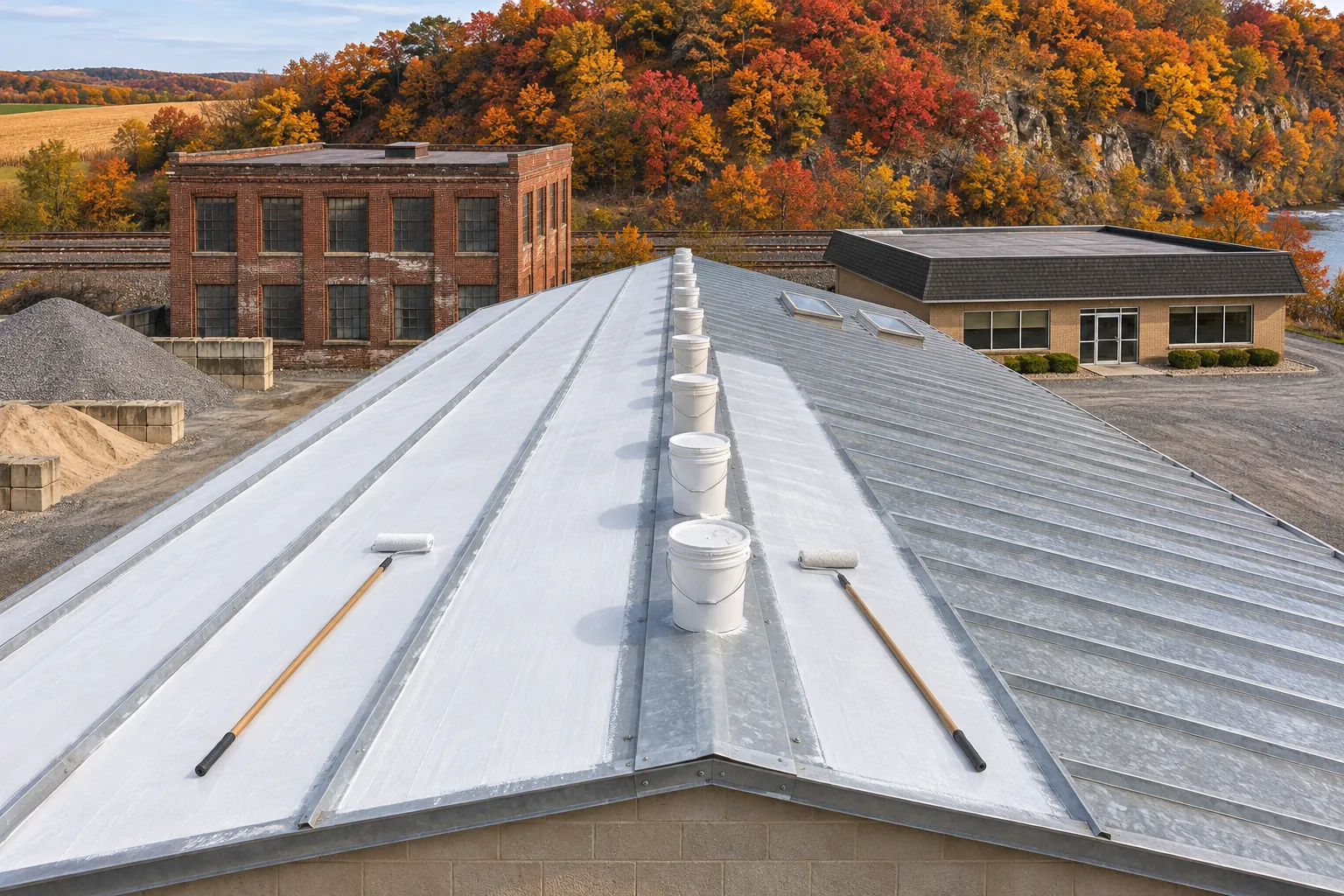
Water-based coats for sloped panels in warm, dry windows.
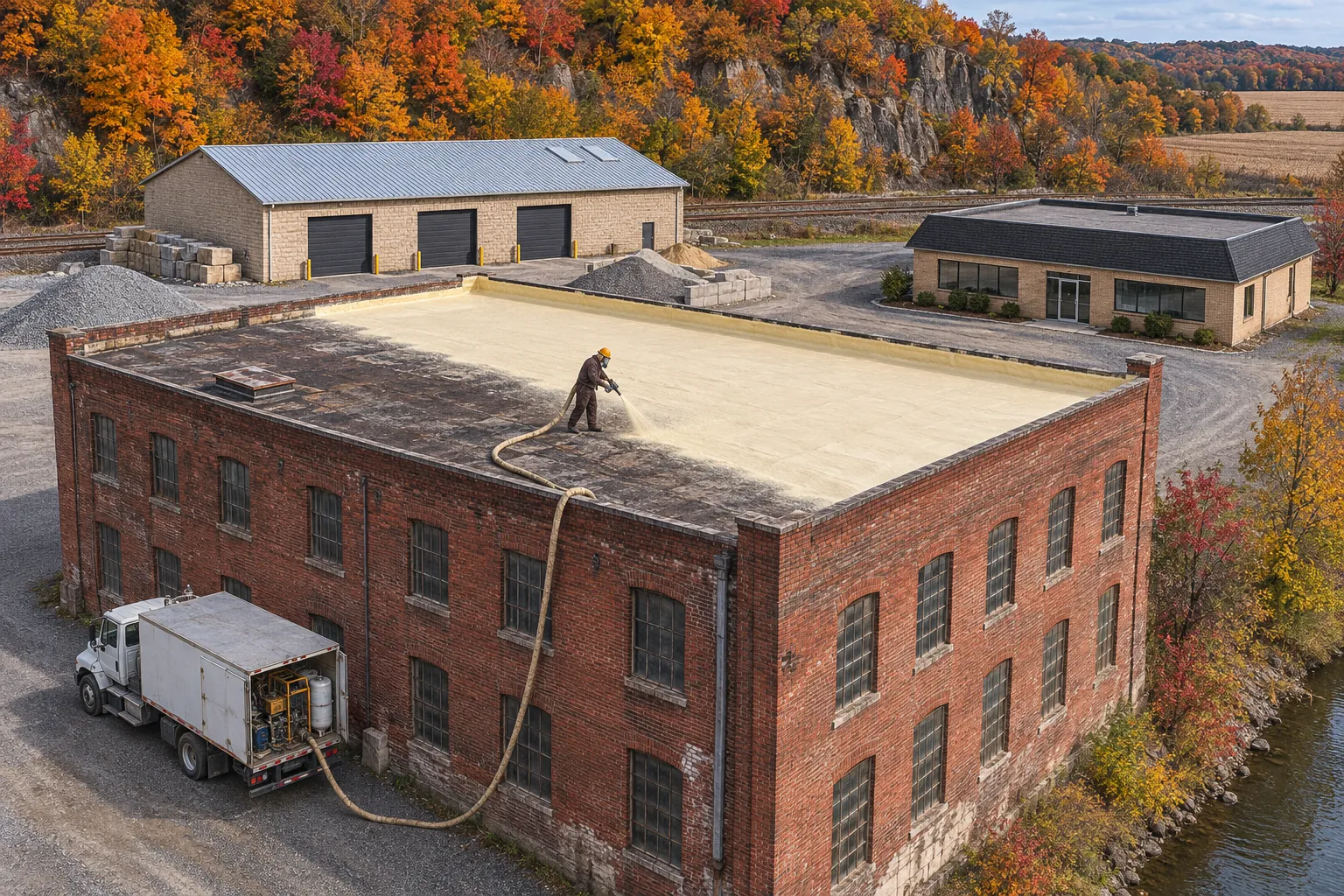
Insulating foam and a topcoat over a dry, attached deck.
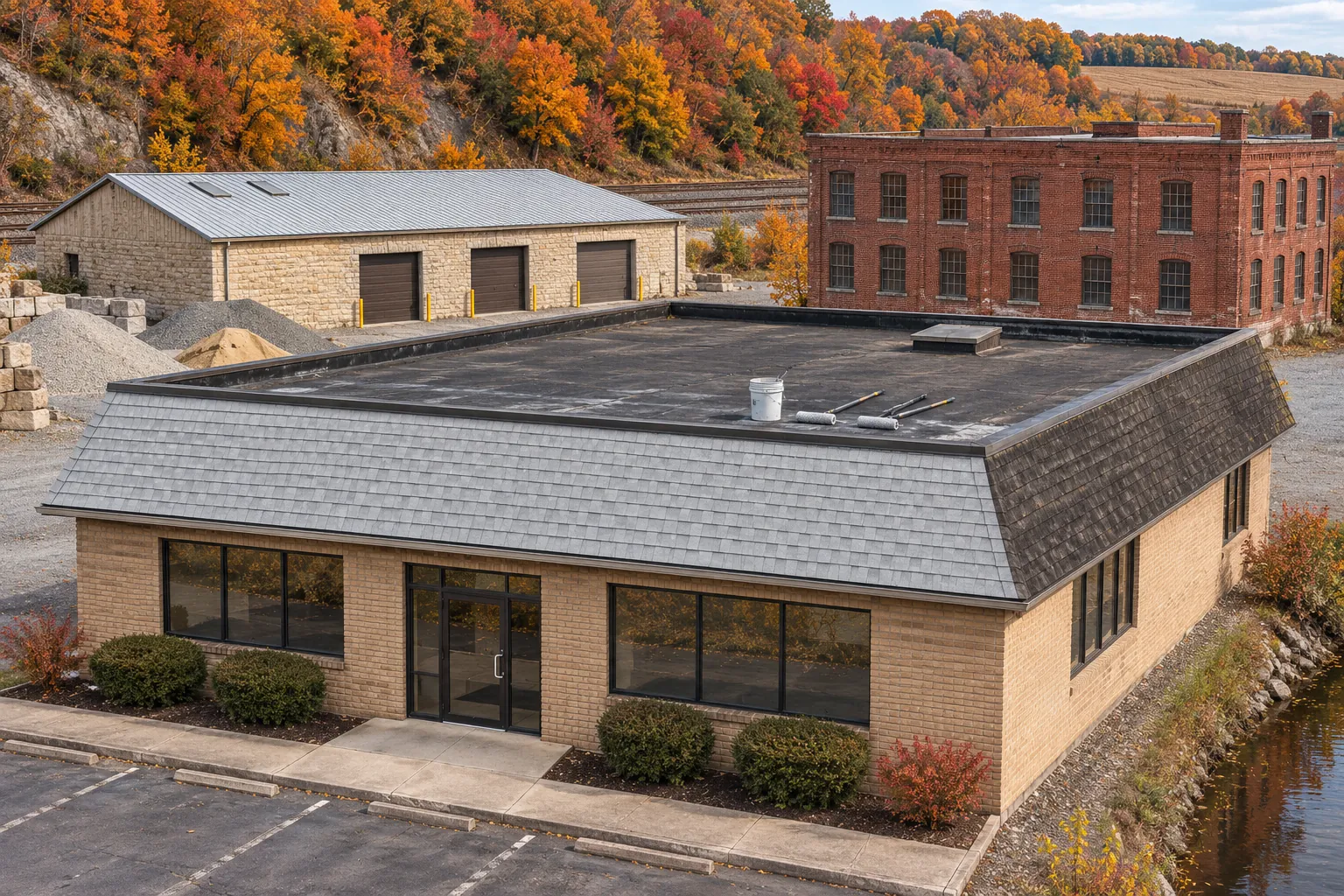
Coating for commercial shingles only where the products allow it.
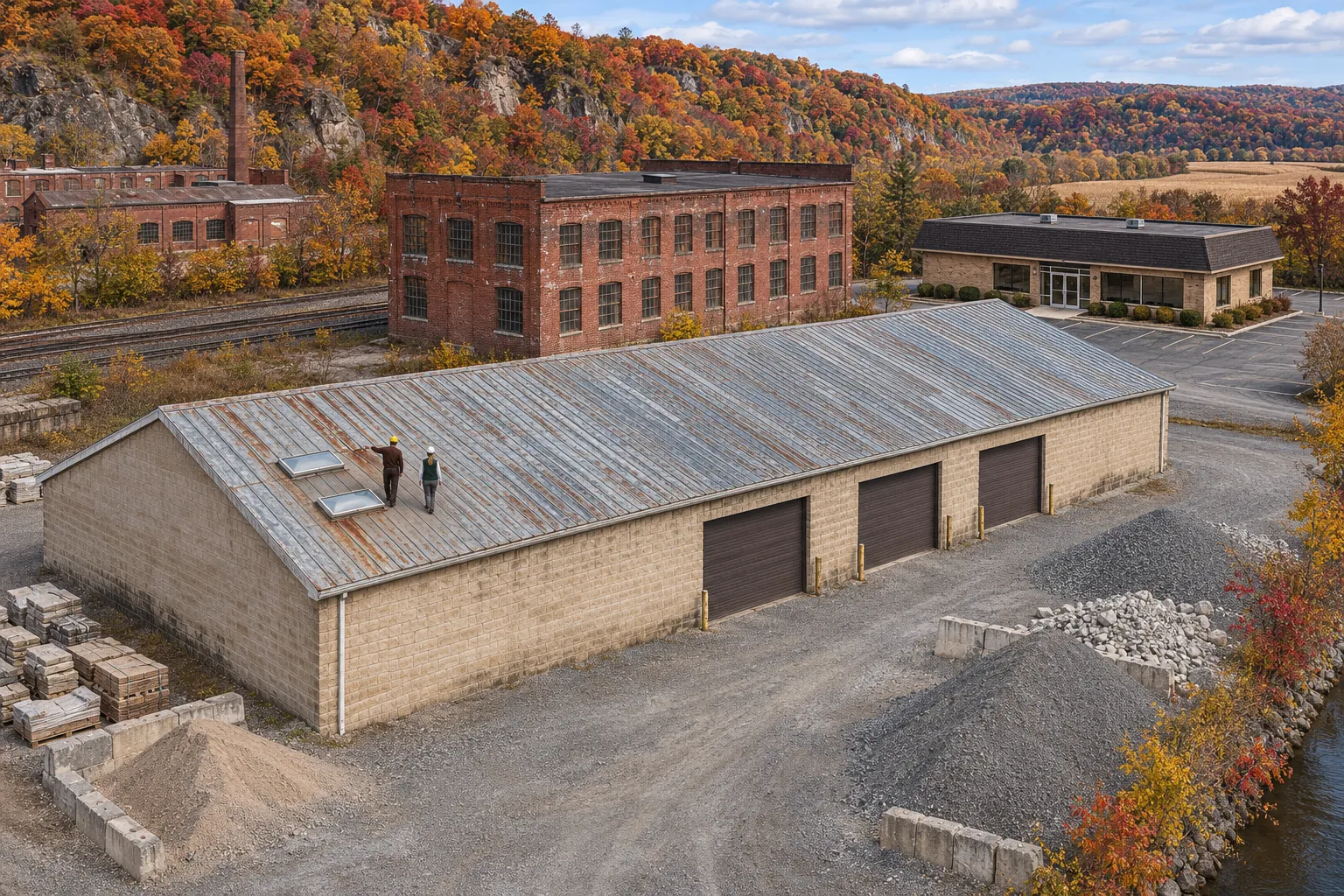
Question about your own roof?
Call UsOn the right roof, yes. Silicone holds up well where water lingers after rain, provided the deck below is dry and the outlets work. It bonds poorly over some old coatings, so we test adhesion first. Later repairs also need silicone, since few other products stick to it.
Coating plans start from about $2.50 to $4.00 per square foot of roof, against about $5 to $8 to replace it. Detailed areas such as curbs, pipes, and seams add preparation, and thickness and coat count move the number as well. The scope we write explains the finish, with silicone as one part of it.
Only inside the product limits for surface temperature, moisture, and curing. We read the roof surface itself and look for frost and condensation instead of trusting the air temperature. Shaded details and overnight lows count too, because the coating needs time to bond after the crew leaves.
Units and curbs set across the slope often trap water on their uphill side, and debris makes it worse. A coating leaves drainage geometry as it is and covers wet material under it, so we check runoff paths, low panels, and existing finishes before choosing silicone.
Many silicone products are rated for ponding, but long-standing water still marks a drainage fault and often wet material underneath. We look at how long water stays after a storm and what is under it, then decide on outlet repairs, crickets, or replacing soaked sections.
Tell us where water sits and what equipment is nearby. We trace the cause, fix the drainage we can, and coat with silicone where it fits.